
Summer Trading is Different: 5 Adjustments Professionals Make to Stay Ahead During the Summer Market Season
If your trades have felt a little off the last few weeks, you're not imagining it. Summer markets behave differently than the rest of the year, which is exactly why summer trading strategies matter: if you're still trading with the same playbook you used in March, you're probably fighting the tape more than you need to.
Why Summer Trading Strategies Matter in a Slower Market
The biggest culprit is volume. Coming out of spring, markets typically run hot. April, May, and June tend to bring above-average volume, often well above the 50-day moving average on the volume chart. Then summer hits and that volume can drop by roughly half. Institutional desks quiet down as traders take vacation, retail participation slows too, and the result is a market that's thinner and more prone to erratic moves even though the headlines aren't necessarily more dramatic.
Layer on top of that an active earnings season and whatever the broader economic or geopolitical backdrop happens to be that year, and you've got a market that can chop sideways, trend, or reverse hard depending on the news cycle, all while trading on lighter volume than usual.
So should you trade the summer months the same way you trade the rest of the year? Not really. Here are five adjustments that help professional traders stay ahead of the season instead of getting caught off guard by it.
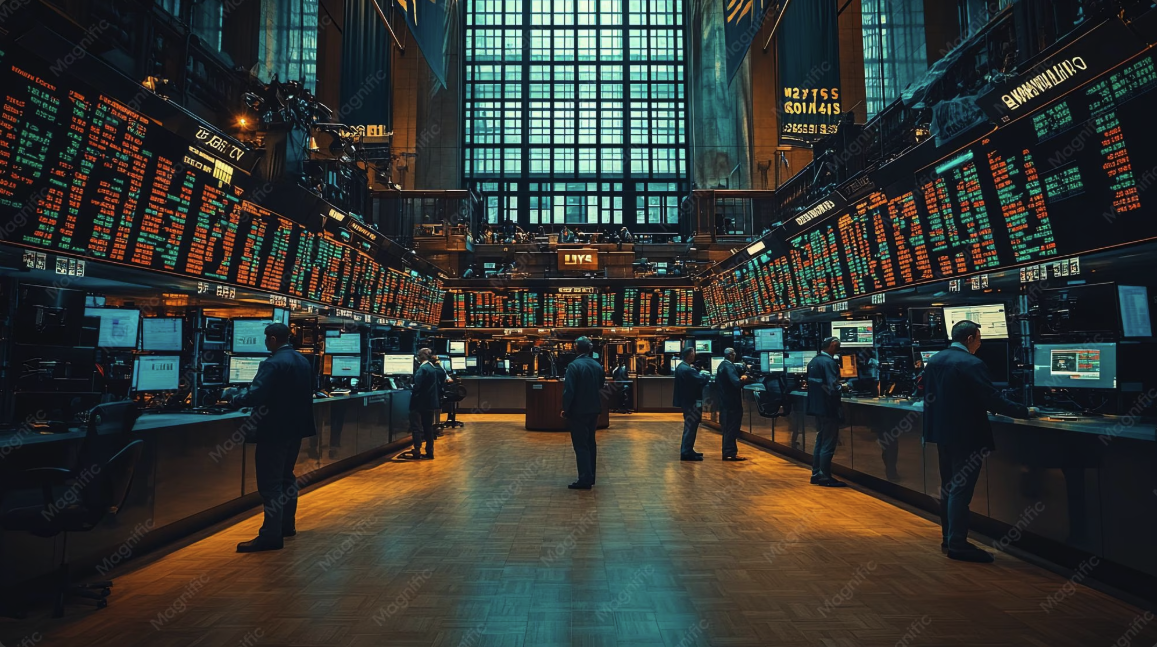
1. Reduce Your Position Size
Thinner markets create more volatility, not less. When institutional desks step back and liquidity dries up, it takes less buying or selling pressure to move a stock further than it normally would. That's exactly the environment where oversized positions get punished.
“Thinner markets create more volatility, not less.”
A simple rule of thumb is to cut position size by roughly 30 to 50 percent during the summer stretch. If you'd normally risk $500 on a trade in a typical market, scaling that back gives you room to be wrong without it costing you a normal month's worth of gains in one bad trade.
This ties directly into how you think about risk more broadly. If you haven't already, it's worth revisiting how professional traders manage risk, because the summer season is really just a stress test of whatever risk framework you're already running.
2. Give Your Stops a Little More Room
Here's the tricky part. Lower liquidity doesn't just mean bigger moves, it also means more false moves. Thin order books can push price just far enough to clip a stop loss before snapping right back to where it started. If you've ever gotten stopped out of a good trade only to watch it play out exactly like you expected minutes later, you already know how frustrating that is.
Widening your stops slightly can help you avoid getting shaken out by these exaggerated summer swings. Just know that a wider stop means more risk per trade, which is exactly why adjustment number one matters so much.
“Smaller position size and slightly wider stops work together, not separately.”
3. Focus on the Most Liquid Hours of the Day

Even in a slower summer market, not all hours are created equal. The first 90 minutes after the open remain the most liquid window of the day, even during the summer, followed by a pickup again in the final hour as volume shifts back into the market before the close.
That first 90 minute window is when institutional participation and liquidity are at their highest, which means tighter spreads and cleaner price action. This matters even more if you're trading options, where a wide bid ask spread can eat into your edge before the trade even gets going. Keep in mind the first 15 to 30 minutes after the open can still be a bit choppy while spreads settle down, so give it a few minutes before leaning in hard. Outside of those windows, especially midday, you're often better off stepping back and letting the market do its thing.
4. Trade Less and Demand More From Your Setups
The goal was never to trade every single day of the year regardless of conditions. The goal is to trade well. During a low volume, sideways summer market, plenty of setups simply won't have the follow through they'd have in a trending environment, no matter how good your entry looks on the chart.
Summer is a good time to raise your standards. Wait for setups where your thesis lines up with price action, volume, and the broader market backdrop, rather than forcing a trade because you haven't taken one in a few days.
“Sometimes the most professional decision you can make is not trading at all, and that's especially true when the tape is choppy and directionless.”
It's also worth sticking to the most liquid names during this stretch. A stock trading tens of millions of shares a day is much harder to manipulate than one trading a few hundred thousand shares. Thinner names are far more prone to overnight gaps and extreme intraday swings, which is the last thing you want to add on top of an already choppy summer market.
5. Watch Sector Rotation Closely
This might be the most overlooked adjustment, and it matters well beyond the summer months. As markets move sideways or turn indecisive, capital tends to rotate out of aggressive growth names and into more defensive sectors like utilities, consumer staples, healthcare, real estate, and dividend paying stocks. Investors want somewhere to park capital that still produces a return even if the broader market stalls out.
Travel, leisure, and hospitality sectors can also see a seasonal bump in the summer months, which can make them worth watching on the long side if the group is showing relative strength.
The bigger picture here connects back to capital allocation, because where money is flowing across sectors tells you a lot about where you should be allocating your own attention and capital right now. Markets tend to lead the economy, so watching which sectors are strengthening or weakening can give you an early read on where we are in the broader cycle, long before it shows up in the headlines. Sites like stockcharts.com are useful for tracking sector performance over different timeframes, and the Nasdaq earnings calendar is a solid resource for staying ahead of the earnings that tend to move stocks most during this stretch of the year.

The Bottom Line
Summer trading isn't about doing less just because it's summer. It's about matching your approach to the market you're actually trading instead of the one you wish you had. Smaller size, a little more room on your stops, a sharper focus on the most liquid hours, higher standards for your setups, and a closer eye on sector rotation will keep you trading with the market instead of against it.
Additional Articles on Sector Rotation Analysis:
What Sector Strength Really Means: And Why Most Traders Get It Wrong